Source Customized Baguette Moulder Machine for Bread, French Bread, Donut
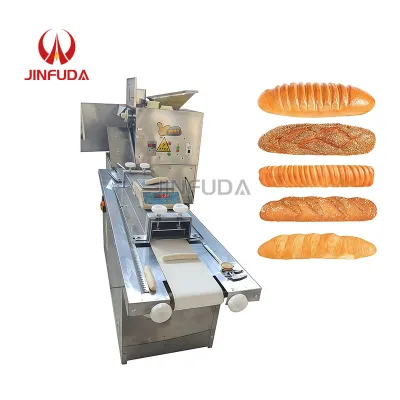
Find 30 customized baguette moulder machine options for bread, French bread, and donut production. Compare specifications like voltage, power, and capacity from verified suppliers in Guangzhou, China. These machines feature stainless steel construction and manual control panels suitable for various bakery needs.
Key considerations
Products List




Comprehensive Sourcing Guide
Customized Baguette Moulder Machine Sourcing Guide
Procuring a customized baguette moulder machine requires a strategic approach to align equipment capabilities with specific production volumes and dough characteristics. Buyers must first define their operational needs, such as target output rates and piece weight ranges, to ensure the selected machinery integrates seamlessly into existing bakery workflows. The market offers various models, including those with manual control panels and automatic grades, allowing for flexibility in automation levels. Understanding these distinctions is crucial for selecting a machine that balances efficiency with ease of operation, ensuring that the final product meets quality standards without excessive labor input.
The sourcing process also involves evaluating the physical and technical attributes of the equipment, such as voltage requirements, power consumption, and material construction. Stainless steel construction is common for hygiene and durability, while belt origins and cylinder lengths can significantly impact performance and maintenance needs. Buyers should verify these specifications against their facility’s infrastructure, particularly regarding electrical compatibility and floor space. Additionally, considering the customization options available, such as adjustable weight ranges and specific dough handling features, ensures that the machine can adapt to diverse product lines, from standard baguettes to other French bread varieties, maximizing the return on investment.
Product Scope and Observed Listing Signals
The current market landscape for baguette moulder machines reveals a diverse range of options tailored to different bakery scales and production goals. Listings often highlight key features such as high efficiency, easy operation, and multifunctional capabilities, catering to both small artisanal bakeries and larger industrial operations. Observed product names frequently include specific model identifiers like ZMB-750 or BM-750, indicating distinct configurations within the same product family. These signals suggest that buyers can find machines with varying degrees of automation, from manual control panels to fully automatic systems, each designed to optimize the bread forming process for specific dough types and output requirements.
Price ranges and minimum order quantities (MOQs) observed in listings provide insight into the commercial accessibility of these machines. Prices typically span from moderate to high-end tiers, reflecting differences in build quality, automation level, and brand reputation. MOQs are generally low, often starting at one set, which facilitates entry for smaller businesses or those testing new production lines. This accessibility allows buyers to acquire specialized equipment without significant upfront capital commitment. Furthermore, the presence of customization options in many listings indicates that suppliers are willing to tailor machines to specific client needs, such as adjusting belt lengths or weight ranges, ensuring a better fit for unique operational demands.
Technical Specifications to Verify
When evaluating technical specifications, buyers must prioritize voltage compatibility and power consumption to ensure seamless integration with existing facility infrastructure. Common voltage options include 220V and 380V, with power ratings around 0.75kw, which influences energy costs and electrical setup requirements. It is essential to verify these details against local grid standards to avoid costly modifications or operational disruptions. Additionally, the material composition, particularly the use of stainless steel for contact parts, is critical for maintaining hygiene standards and ensuring long-term durability in a bakery environment. Buyers should also inspect the belt quality, as imported belts from regions like France may offer superior performance and longevity compared to standard alternatives.
Dimensional and capacity specifications are equally important for planning production layouts and output targets. Standard dimensions for baguette moulders often range around 970x970x1600mm or 1060x1050x1600mm, affecting floor space requirements and workflow efficiency. Capacity ratings, such as 1200 pieces per hour, provide a benchmark for production speed, but buyers should verify these figures under actual operating conditions. Weight ranges for the final product, typically between 50g and 1200g, must be adjustable to accommodate different bread sizes. Verifying the belt cylinder length, often around 700mm, ensures that the machine can handle the desired loaf dimensions effectively, preventing bottlenecks in the forming process.
Compliance and Safety Documentation
Compliance with international safety and quality standards is a non-negotiable aspect of sourcing bakery equipment. Certifications such as CE mark the machine as meeting European health, safety, and environmental protection standards, which is crucial for buyers operating in or exporting to regulated markets. Buyers should request valid certification documents from suppliers to verify authenticity and ensure that the equipment has undergone rigorous testing. This documentation not only mitigates legal risks but also enhances the machine’s marketability and acceptance in global supply chains. Additionally, understanding the specific safety features integrated into the machine, such as emergency stops and protective guards, is vital for protecting operators and ensuring a safe working environment.
Beyond certifications, buyers should inquire about the supplier’s quality control processes and warranty terms. A comprehensive warranty card, often included in the packing list, provides assurance against manufacturing defects and outlines the supplier’s commitment to after-sales support. Buyers should clarify the duration and coverage of the warranty, including whether it covers parts, labor, and on-site service. Furthermore, verifying the supplier’s adherence to international standards for electrical safety and mechanical integrity ensures that the machine operates reliably over time. This due diligence helps prevent unexpected downtime and costly repairs, contributing to a smoother production process and higher overall efficiency in the bakery.
Cost Drivers and Commercial Terms
Several factors influence the total cost of ownership for a customized baguette moulder machine, including material quality, automation level, and customization options. Stainless steel construction and imported components, such as belts, typically increase the initial purchase price but offer long-term benefits in terms of durability and performance. Buyers should weigh these upfront costs against potential savings in maintenance and energy consumption. Additionally, the degree of customization, such as specific voltage configurations or adjusted dimensions, can impact pricing. Understanding these cost drivers allows buyers to make informed decisions that balance budget constraints with operational requirements, ensuring they receive the best value for their investment.
Commercial terms, including payment conditions, delivery times, and packaging standards, also play a significant role in the procurement process. Typical delivery dates are around 15 working days after deposit, which buyers must factor into their production planning. Packaging usually involves thin film, carton, and plywood or wooden cases to ensure safe transit, which is crucial for preventing damage during shipping. Buyers should negotiate clear terms regarding shipping responsibilities, insurance, and customs clearance to avoid hidden costs. Additionally, understanding the supplier’s return policy and support for installation and training can reduce operational risks. Clear communication of these terms ensures a transparent and efficient procurement experience, minimizing surprises and facilitating smooth project execution.
Supplier Qualification and Quality Control
Selecting a reliable supplier is critical for ensuring the quality and longevity of the baguette moulder machine. Buyers should verify the supplier’s manufacturing capabilities, including their facility size, production capacity, and quality control processes. Suppliers based in industrial hubs like Guangzhou, China, often have established supply chains and expertise in bakery equipment manufacturing. However, buyers must conduct thorough due diligence, including requesting references, visiting facilities if possible, and reviewing past performance records. This verification helps identify suppliers with a proven track record of delivering high-quality machines and providing responsive after-sales support, reducing the risk of procurement failures.
Quality control measures implemented by the supplier directly impact the machine’s performance and reliability. Buyers should inquire about the testing procedures used before shipment, including electrical safety tests, mechanical integrity checks, and performance trials. Suppliers that adhere to strict quality standards are more likely to deliver machines that meet specified technical parameters and operate efficiently from day one. Additionally, buyers should assess the supplier’s commitment to continuous improvement and customer satisfaction, as these factors often correlate with better product quality and service. By prioritizing suppliers with robust quality control systems, buyers can ensure that their investment yields consistent results and supports their bakery’s operational goals.
Long-Term Procurement Checks
Long-term success with a baguette moulder machine depends on effective maintenance, spare parts availability, and ongoing supplier support. Buyers should establish a preventive maintenance schedule to keep the machine in optimal condition, focusing on key components like belts, motors, and control panels. Ensuring a steady supply of spare parts, particularly wear items like belts and seals, minimizes downtime and extends the machine’s lifespan. Buyers should negotiate long-term supply agreements with suppliers for critical components, guaranteeing availability and competitive pricing. This proactive approach to maintenance and parts management helps maintain production efficiency and reduces the total cost of ownership over the machine’s operational life.
Additionally, buyers should monitor technological advancements and industry trends to identify opportunities for upgrading or expanding their bakery equipment. As bakery technology evolves, newer models may offer improved efficiency, automation, or energy savings. Maintaining a good relationship with the supplier can provide access to these innovations and ensure that the buyer remains competitive in the market. Regularly reviewing the machine’s performance against production targets and quality standards allows for timely adjustments and optimizations. By staying informed and engaged with the supplier, buyers can maximize the value of their investment and adapt to changing market demands, ensuring sustained success in their bakery operations.
FAQs
What is the production capacity of the baguette moulder?
The machine produces 1200 pieces per hour for efficient bakery operations. This capacity supports high-volume French bread production while maintaining consistent shaping quality for baguettes.
Can the customized baguette moulder machine handle different dough weights?
Yes, it accommodates dough weights ranging from 50 to 1200 grams per piece. This flexibility allows bakers to produce various baguette sizes without changing the core equipment setup.
What is the lead time for delivery after placing an order?
Delivery takes about 15 working days after the deposit is received. This timeline applies to standard export packaging including thin film, carton, and plywood materials for safe shipping.
Which voltage options are available for the electric baguette moulder?
The machine operates on 380V or 220V at 50Hz power supply. This dual voltage capability ensures compatibility with different electrical standards in various international bakery facilities.
Is the baguette moulder machine made of stainless steel?
Yes, the main body is constructed from stainless steel for durability. This material ensures hygiene and longevity while resisting corrosion during frequent dough handling and cleaning processes.
What is the minimum order quantity for this equipment?
The minimum order quantity is one set for immediate procurement. Buyers can purchase a single unit to start their bakery operations without needing to meet bulk purchase requirements.
Does the machine include a timing device for operation?
No, the unit operates without a timing device and uses manual control. Operators manage the process directly through the manual control panel for precise handling of each dough piece.